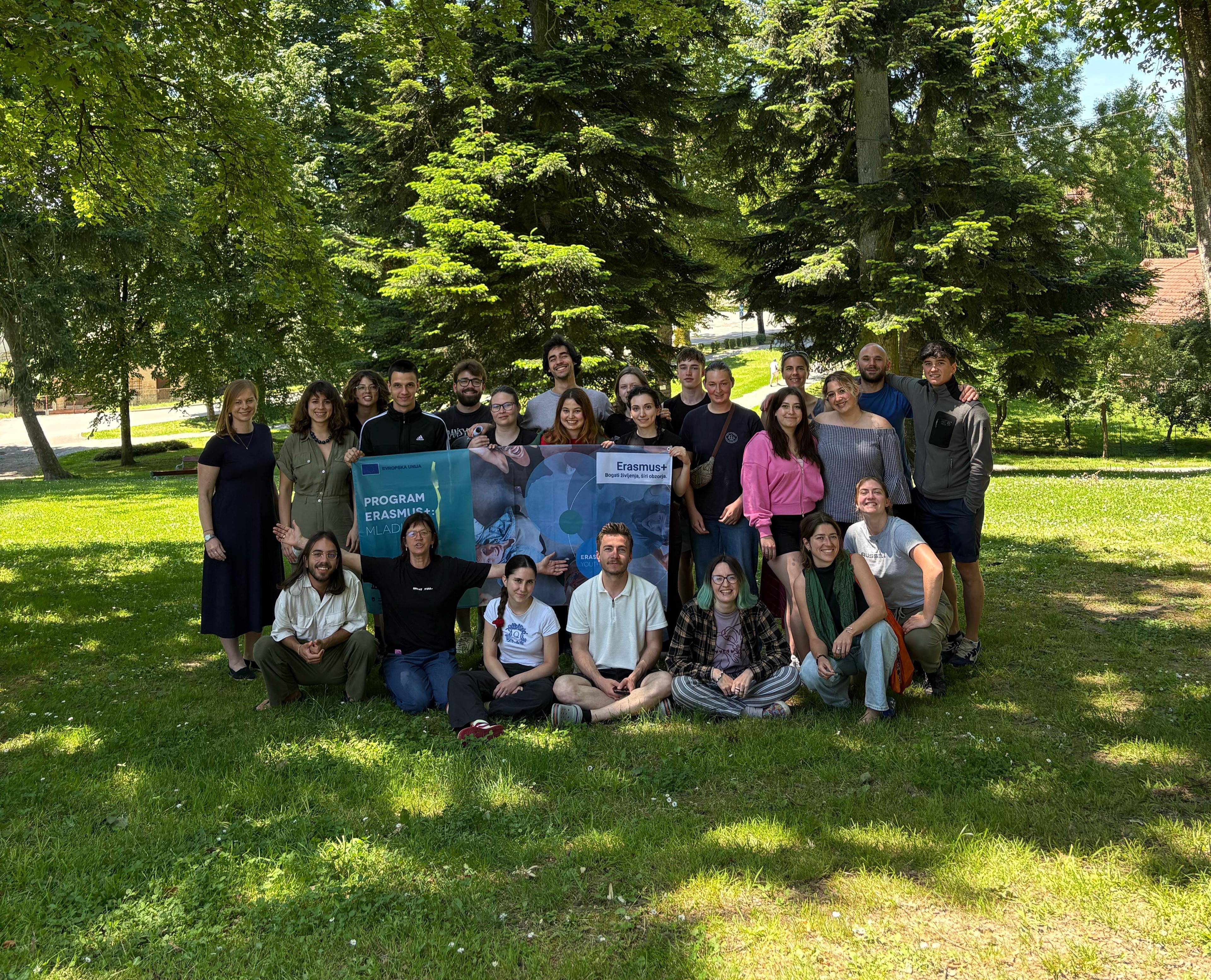
As part of our collaborative Erasmus+ project CirqueVibe, we had the opportunity to take part in a research exploring the many ways circus is used across Europe—not only as an art form or a physical discipline, but also as a powerful educational and social tool.
Our contribution focused on Slovenia. We met inspiring trainers, educators and practitioners who generously shared their experience and reflected on the role circus can play in the lives of young people. Through these conversations, one idea kept emerging: circus creates spaces where people can discover themselves, build self-confidence, develop trust, learn to cooperate, overcome challenges and experience a genuine sense of belonging.
Behind every workshop and every project are passionate people who dedicate their time and creativity to making circus accessible to diverse communities, including young people with fewer opportunities. It was a privilege to learn from their stories and to highlight the incredible work happening across the Slovenian circus field.
Together with our project partners, these interviews and examples have been brought together in the CirqueVibe Guide of Good Practices. The publication offers a collection of inspiring initiatives from different European countries and demonstrates the many ways circus can support learning, inclusion and personal development.
We hope this guide will inspire youth workers, educators and circus practitioners to discover new approaches, exchange ideas and continue building communities where everyone has the opportunity to grow through circus.

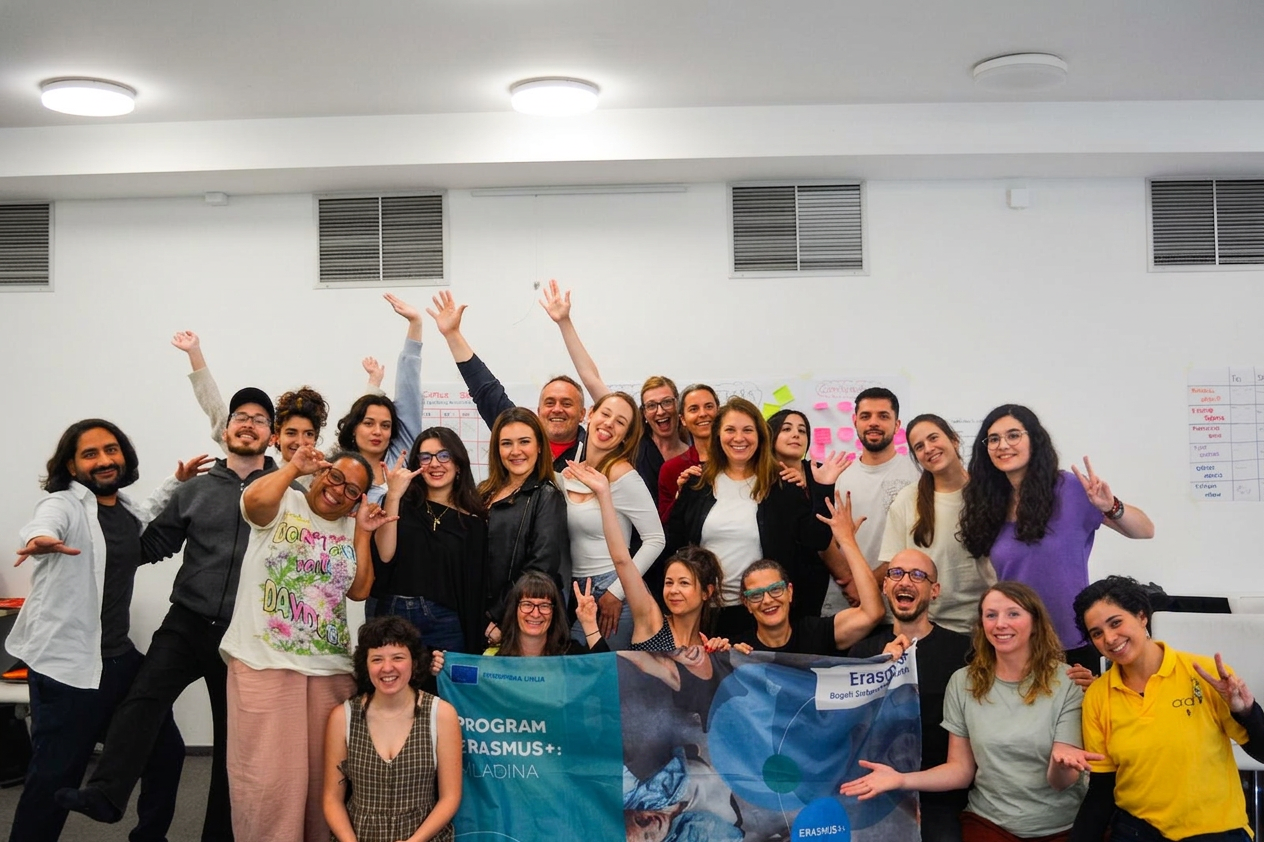
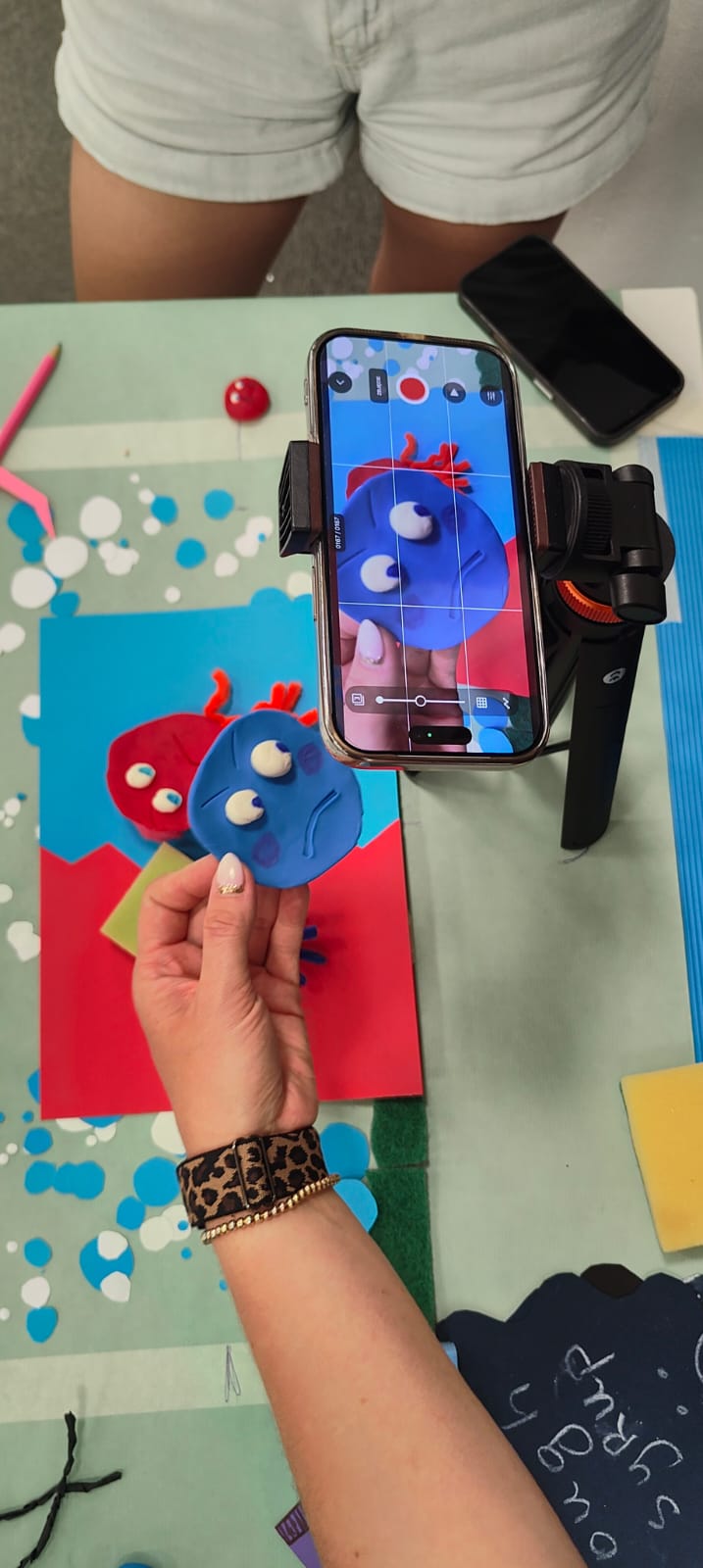

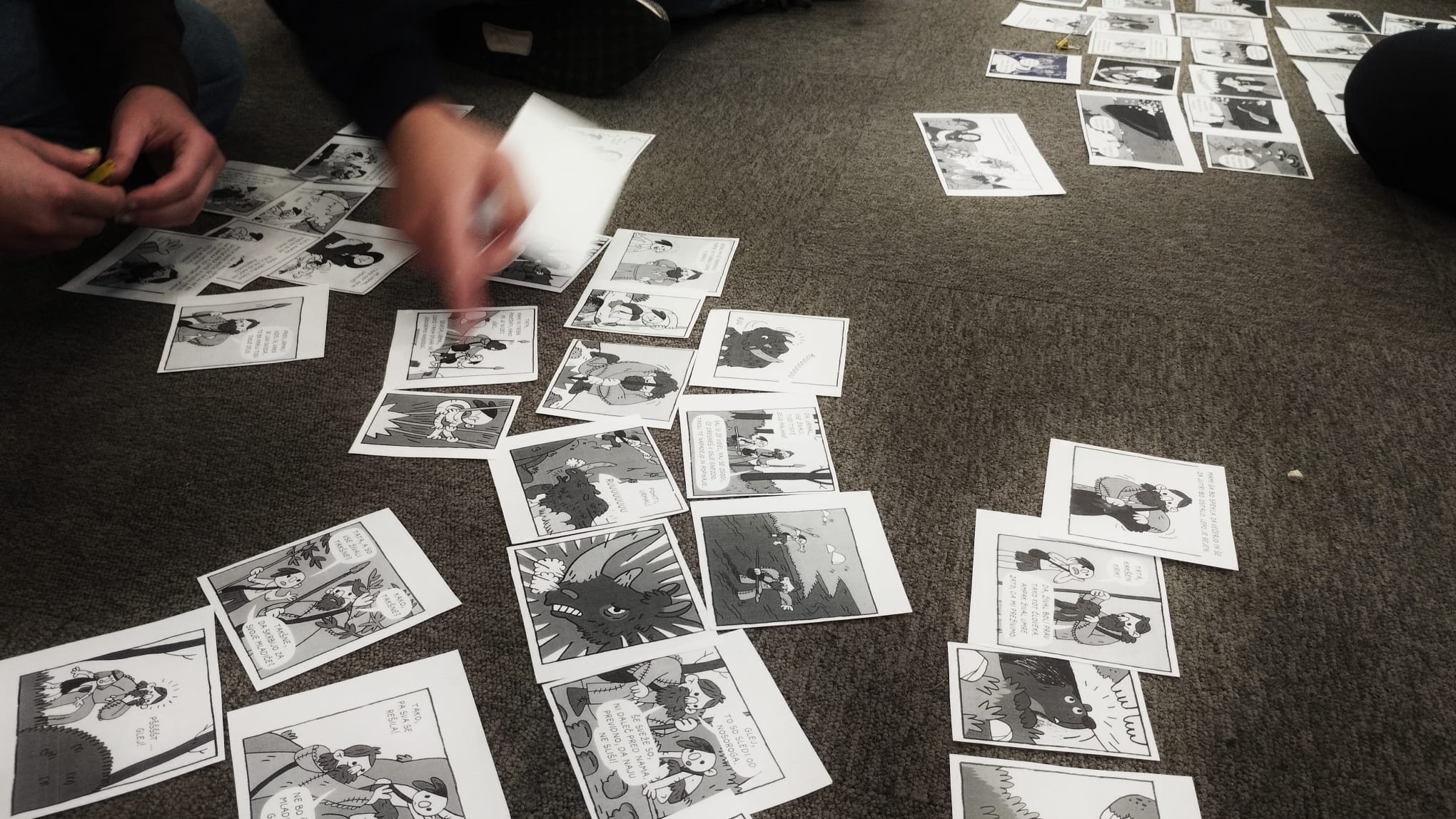
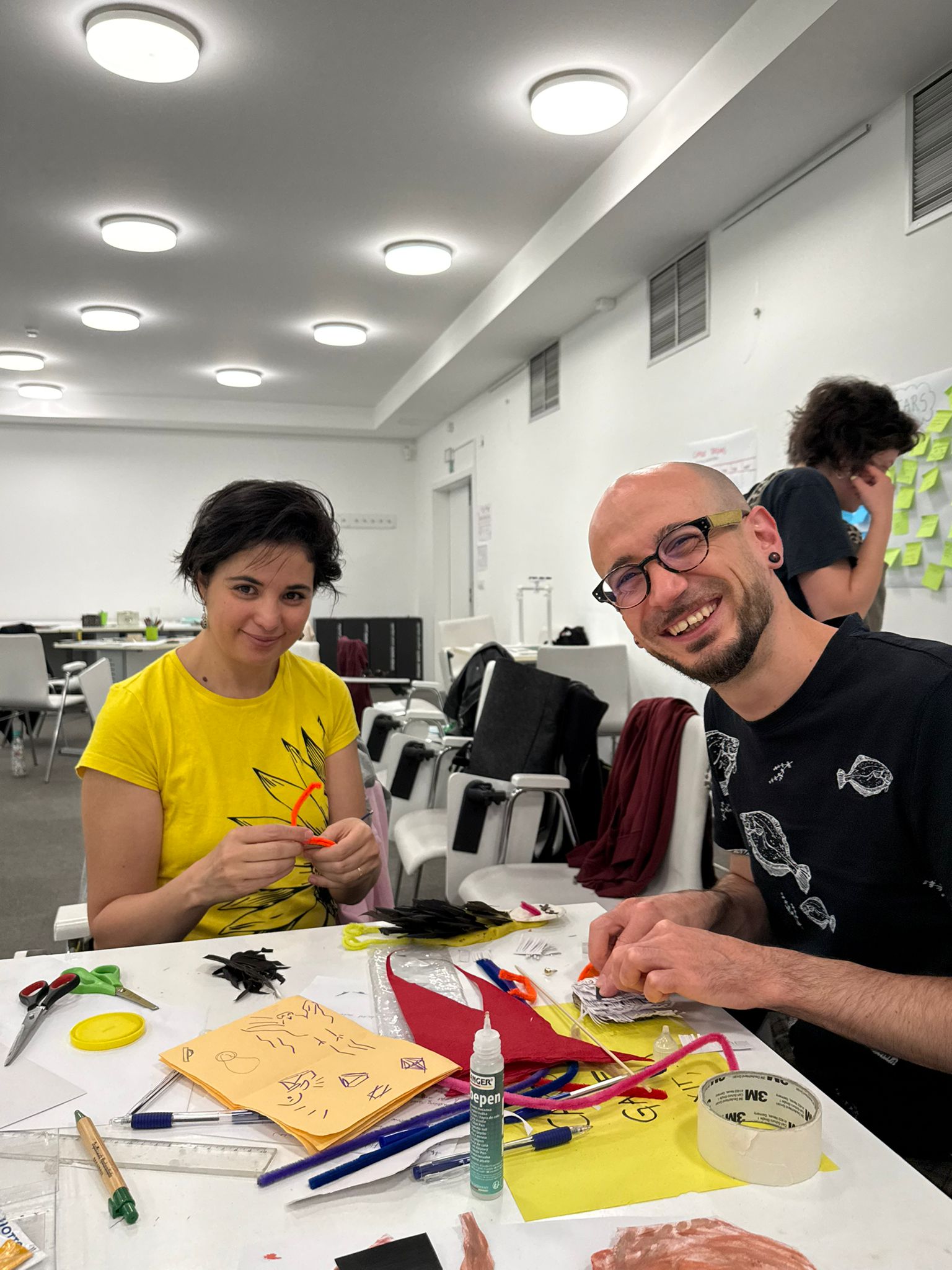
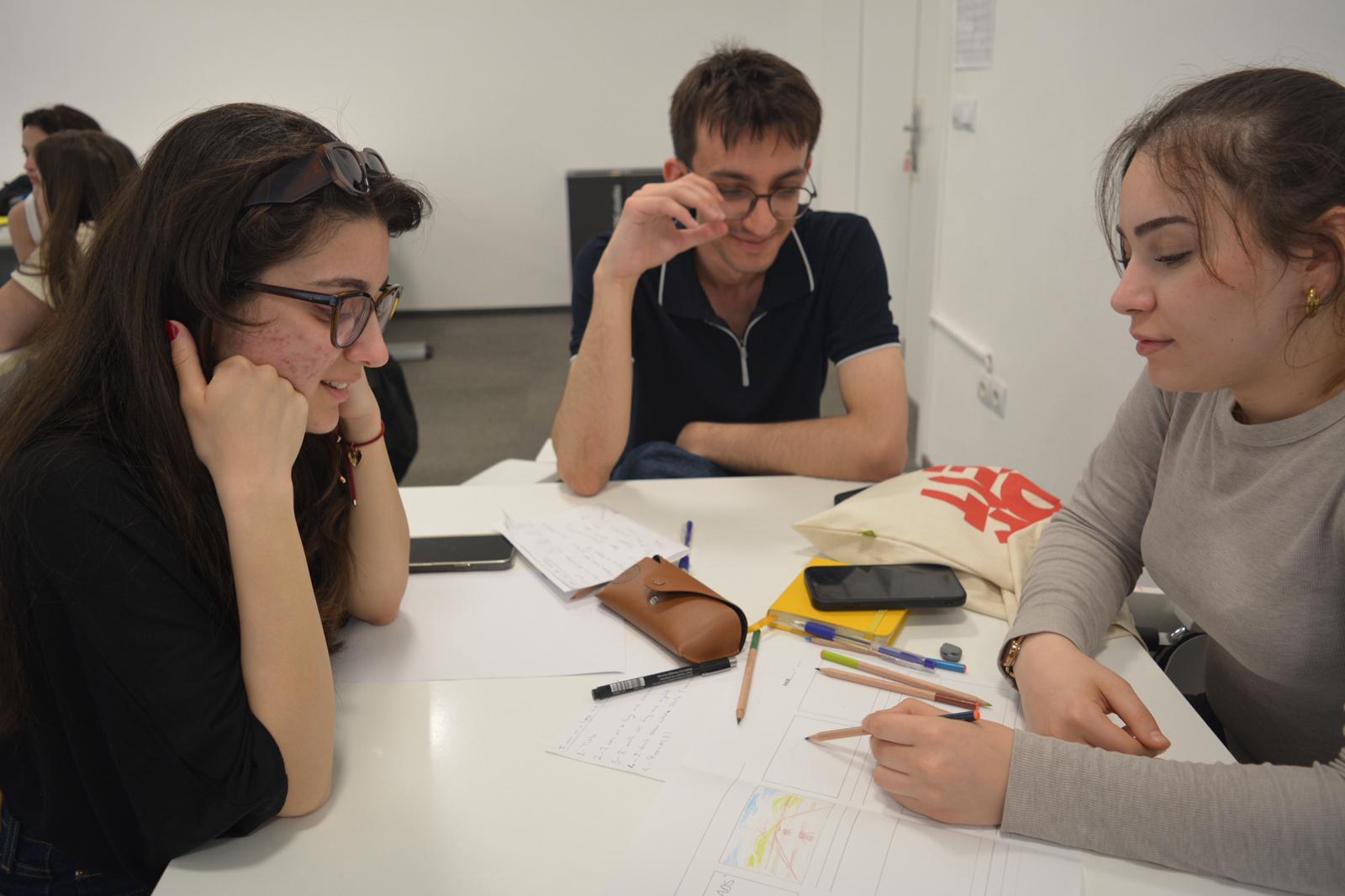

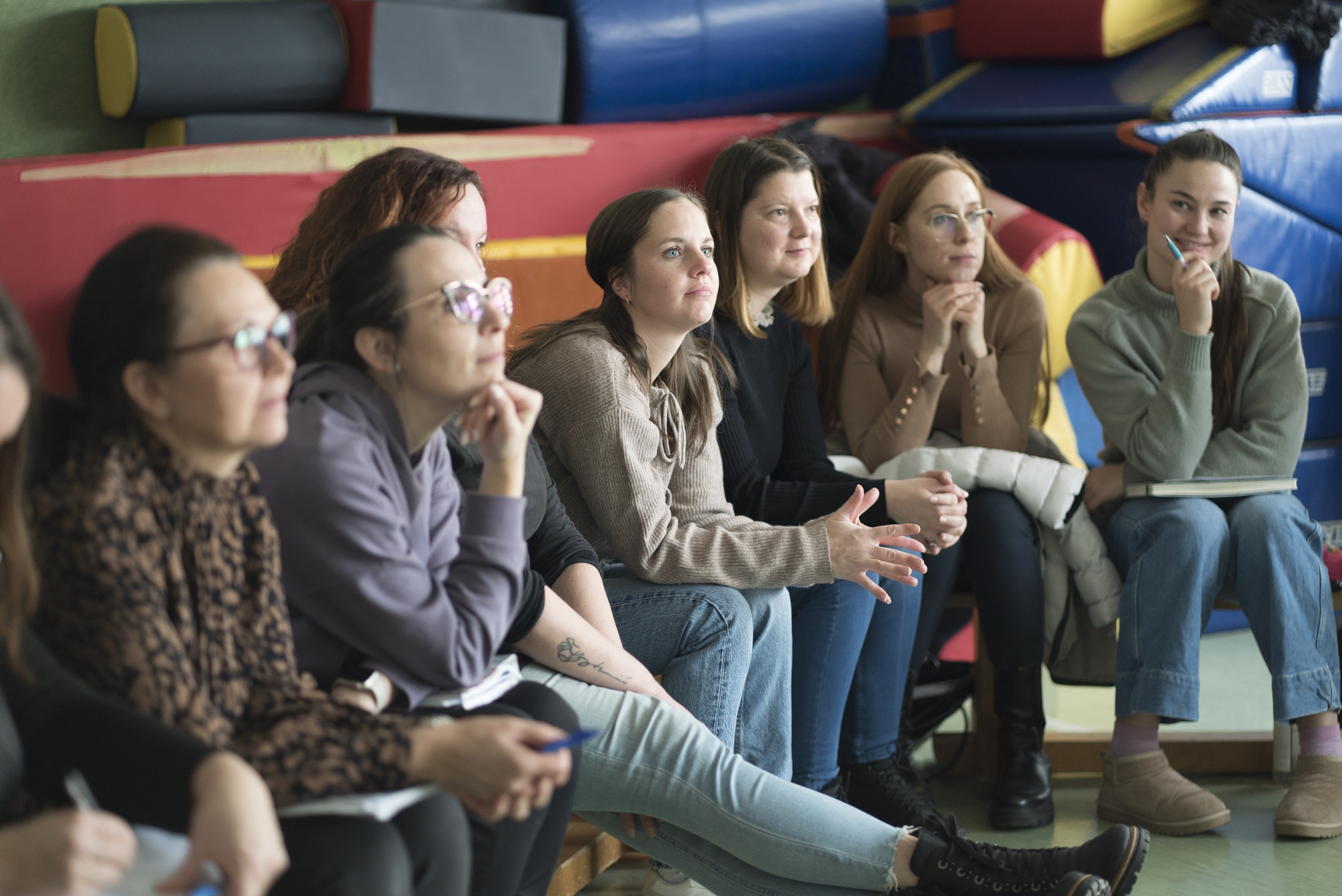
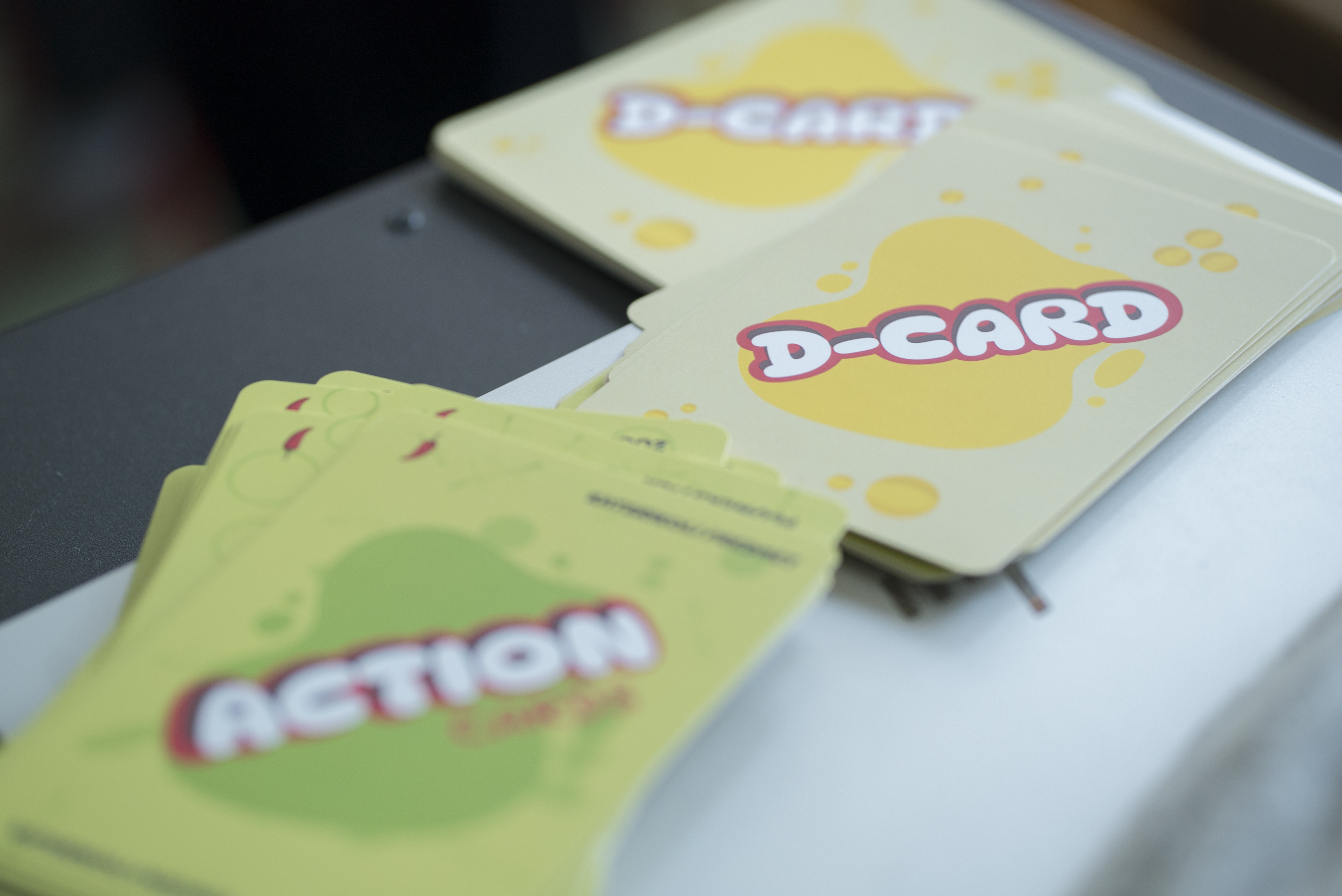
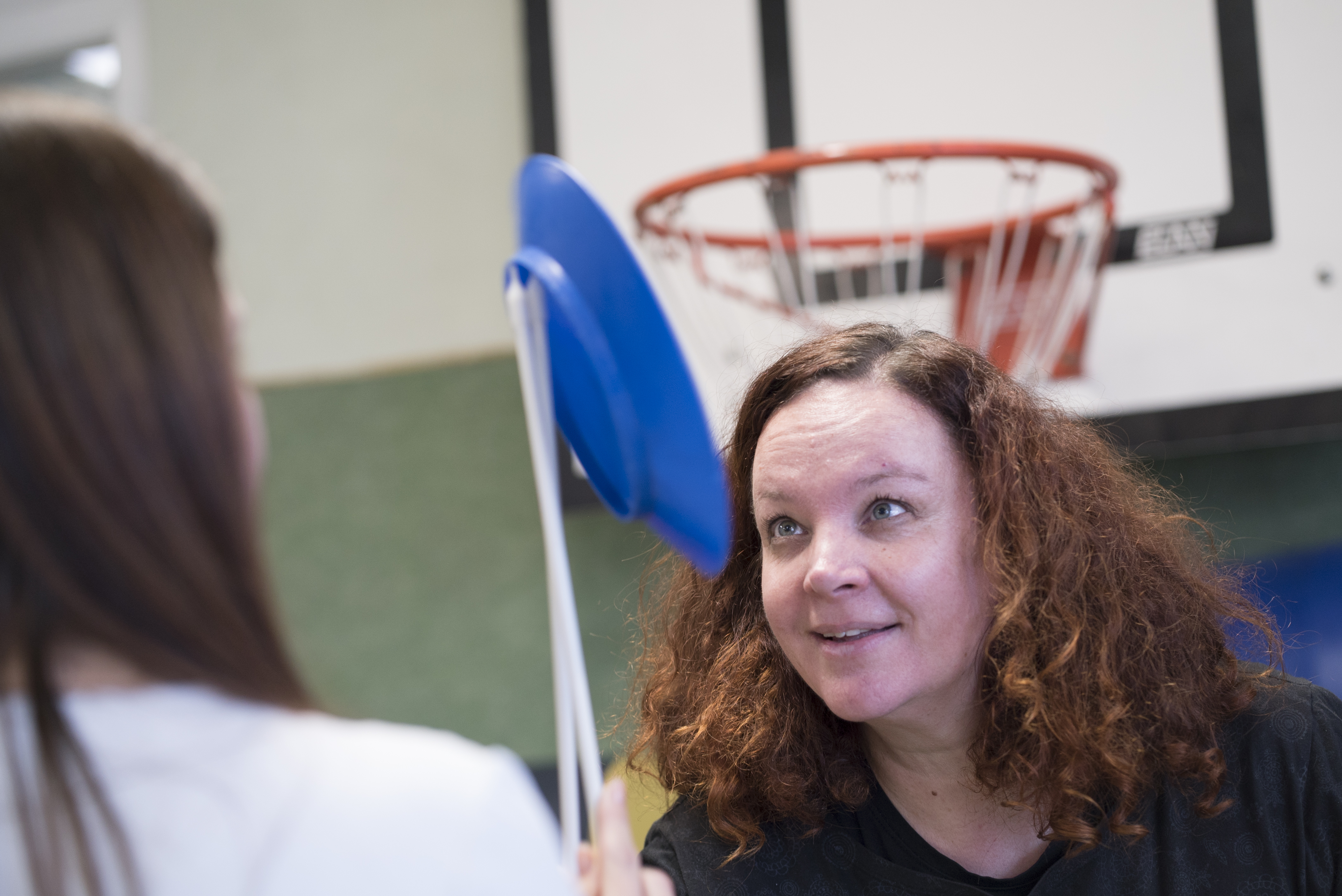
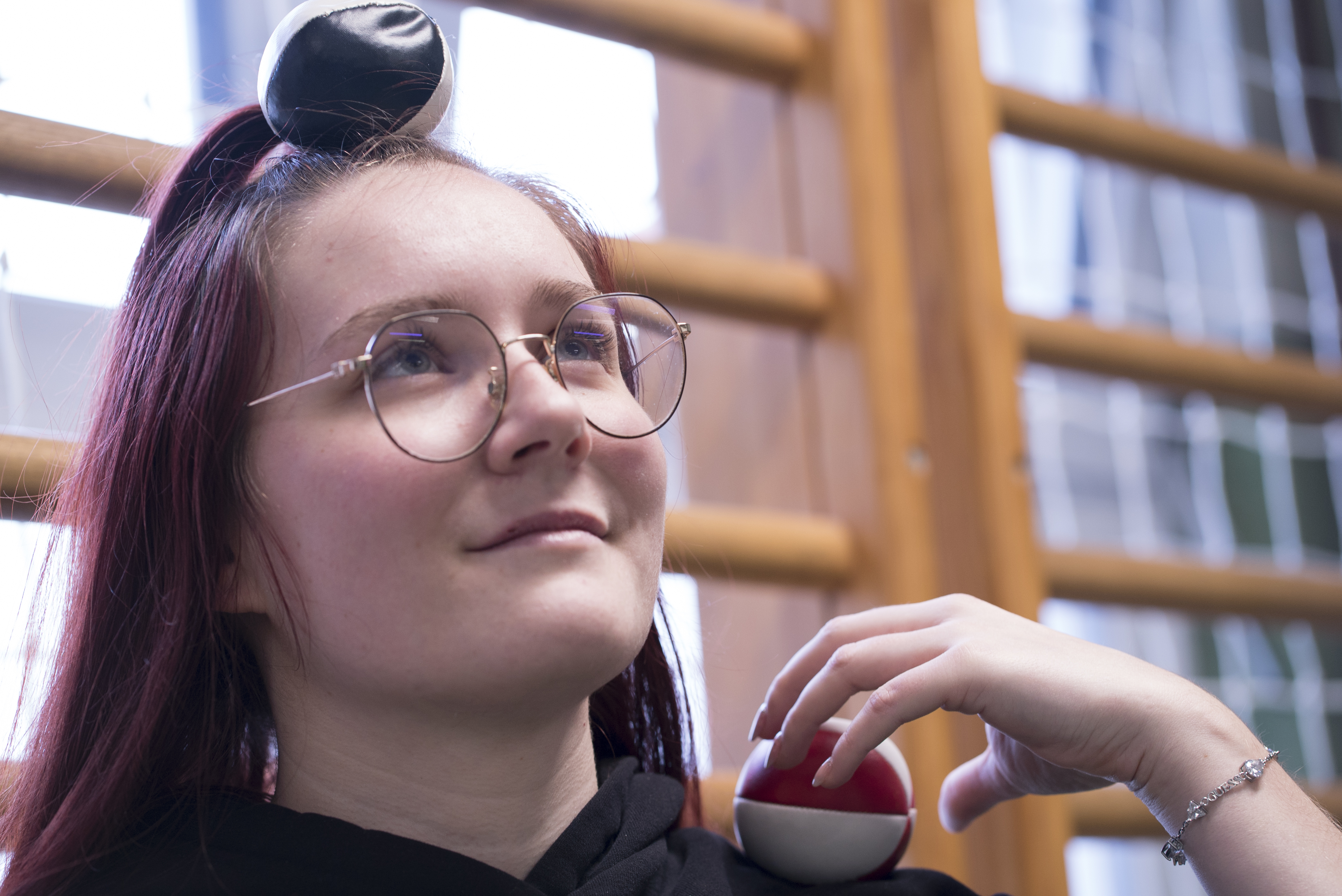
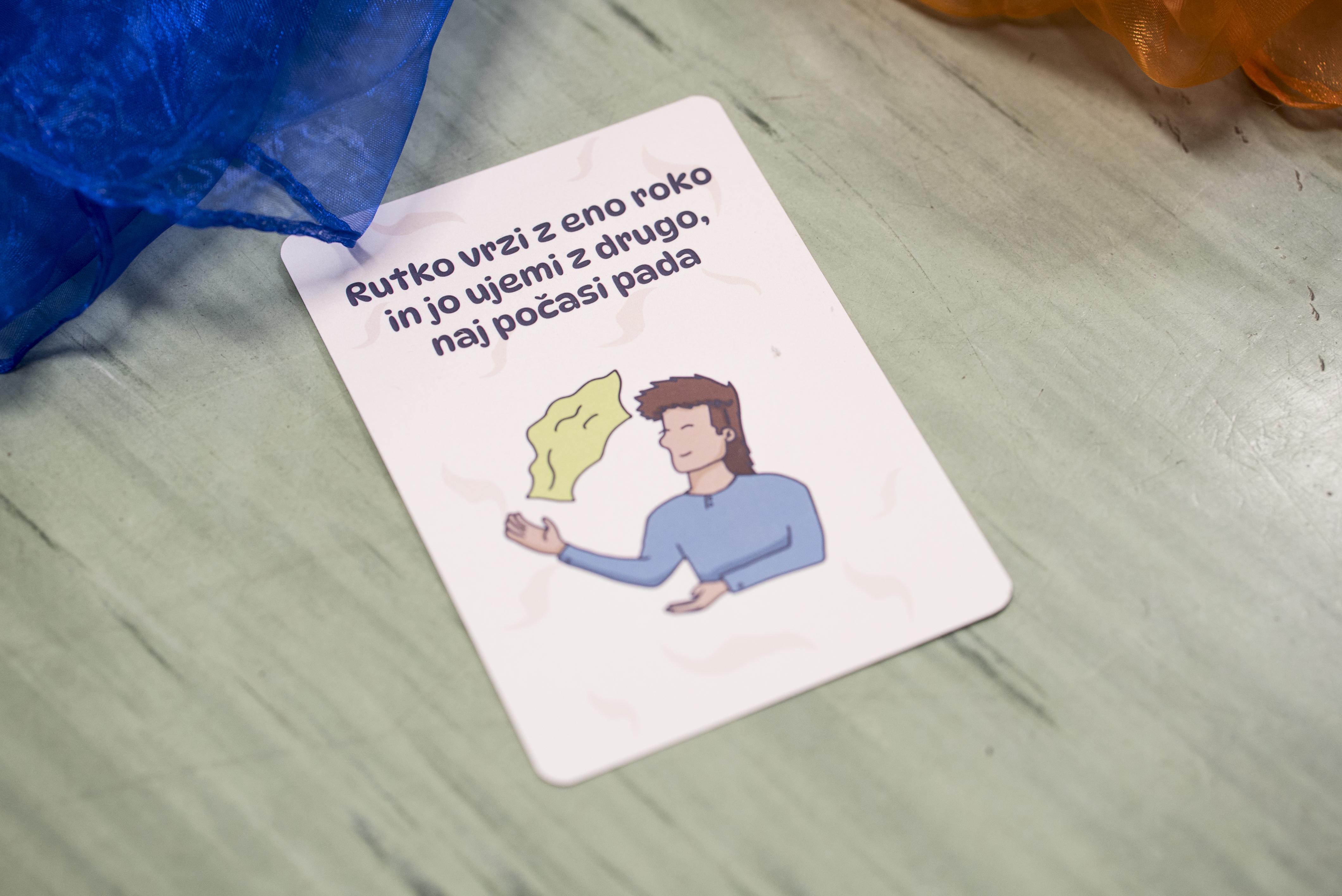
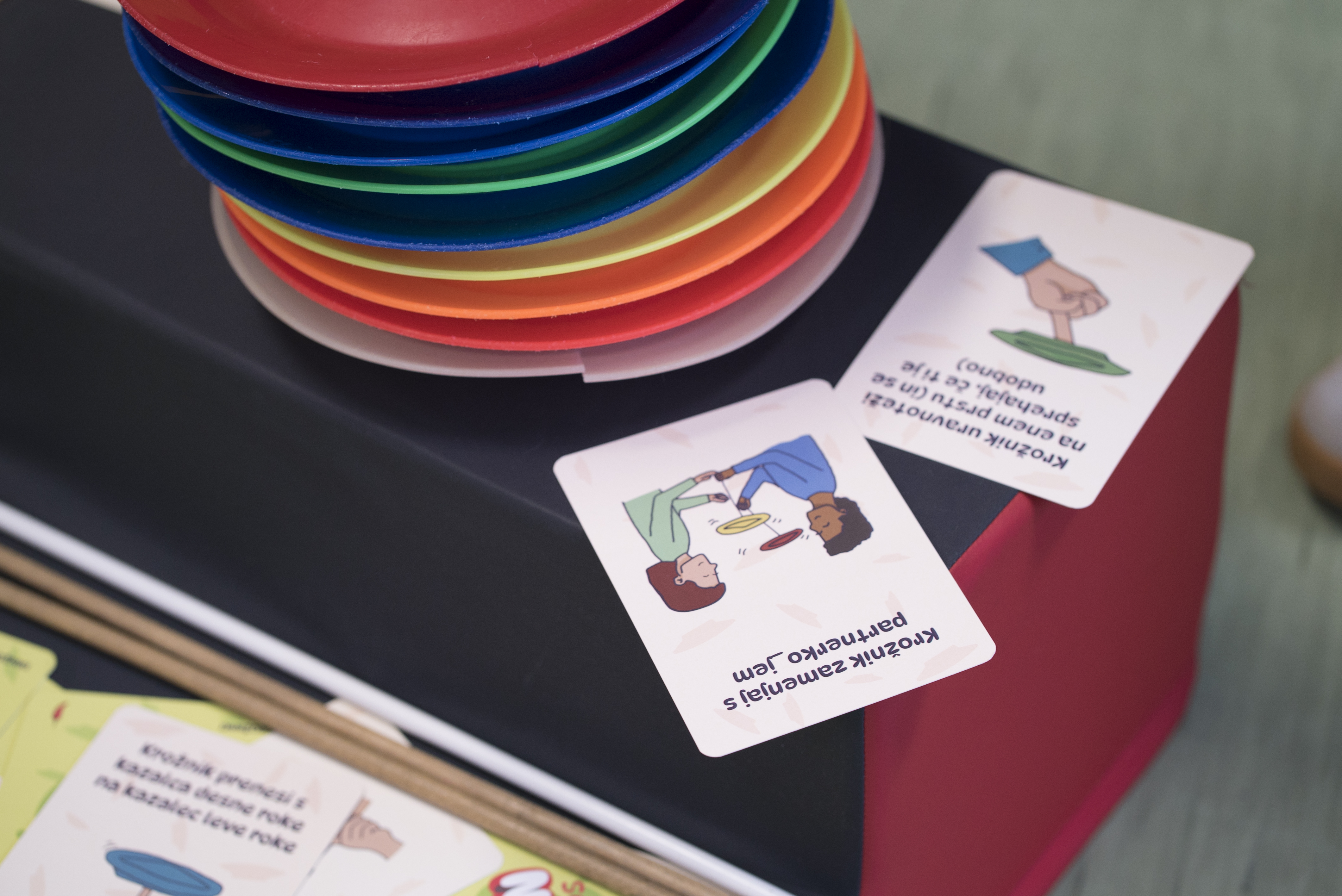
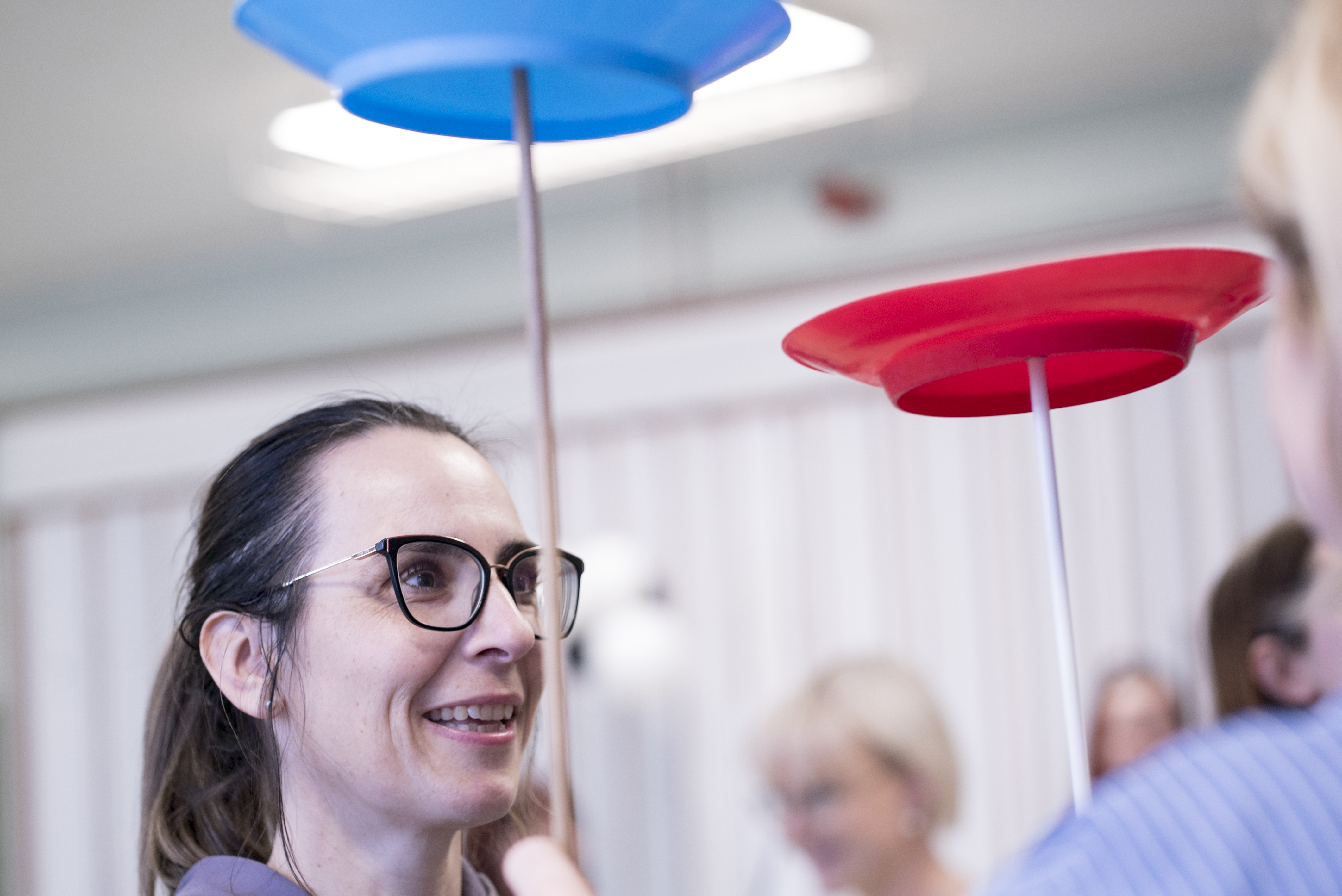
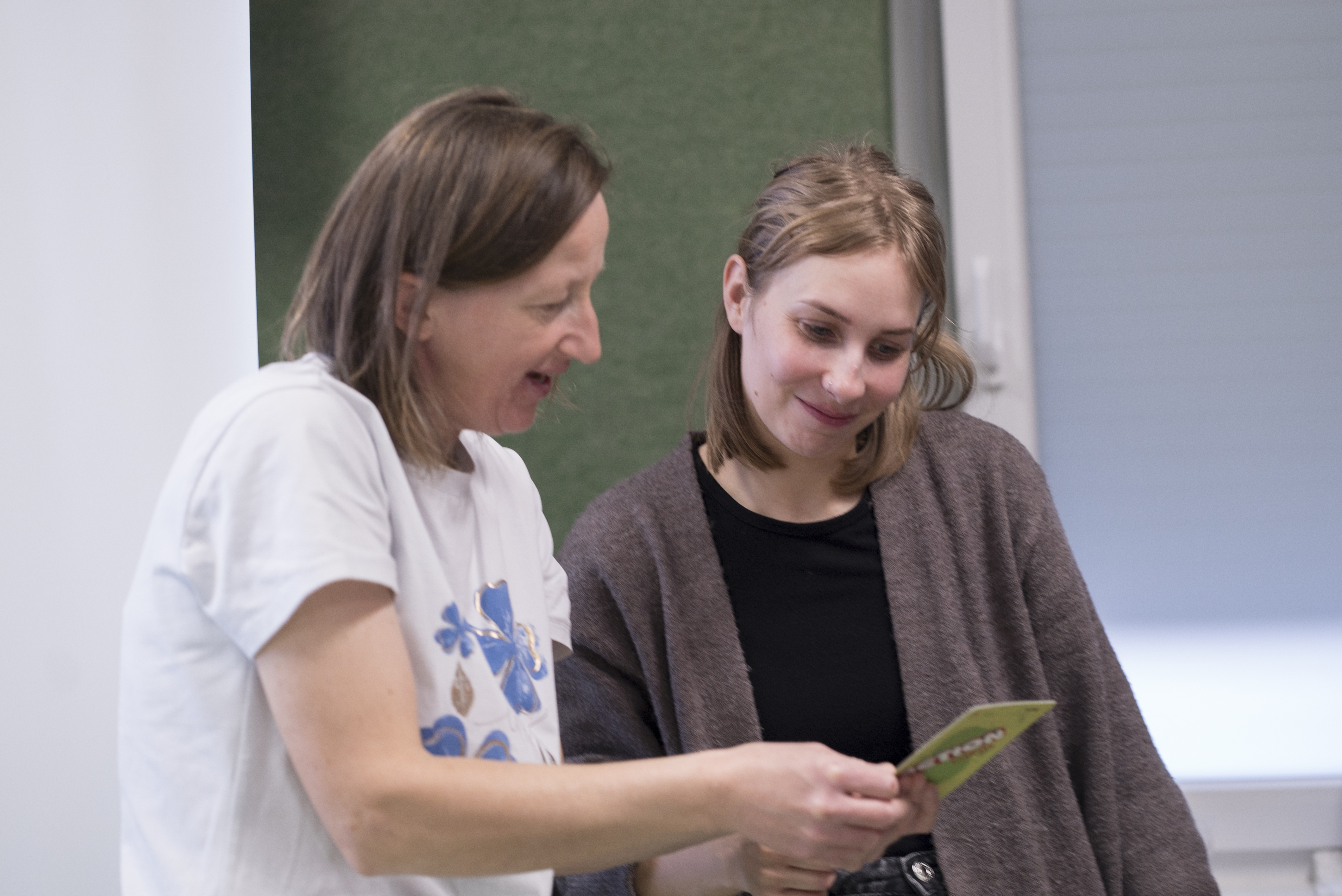
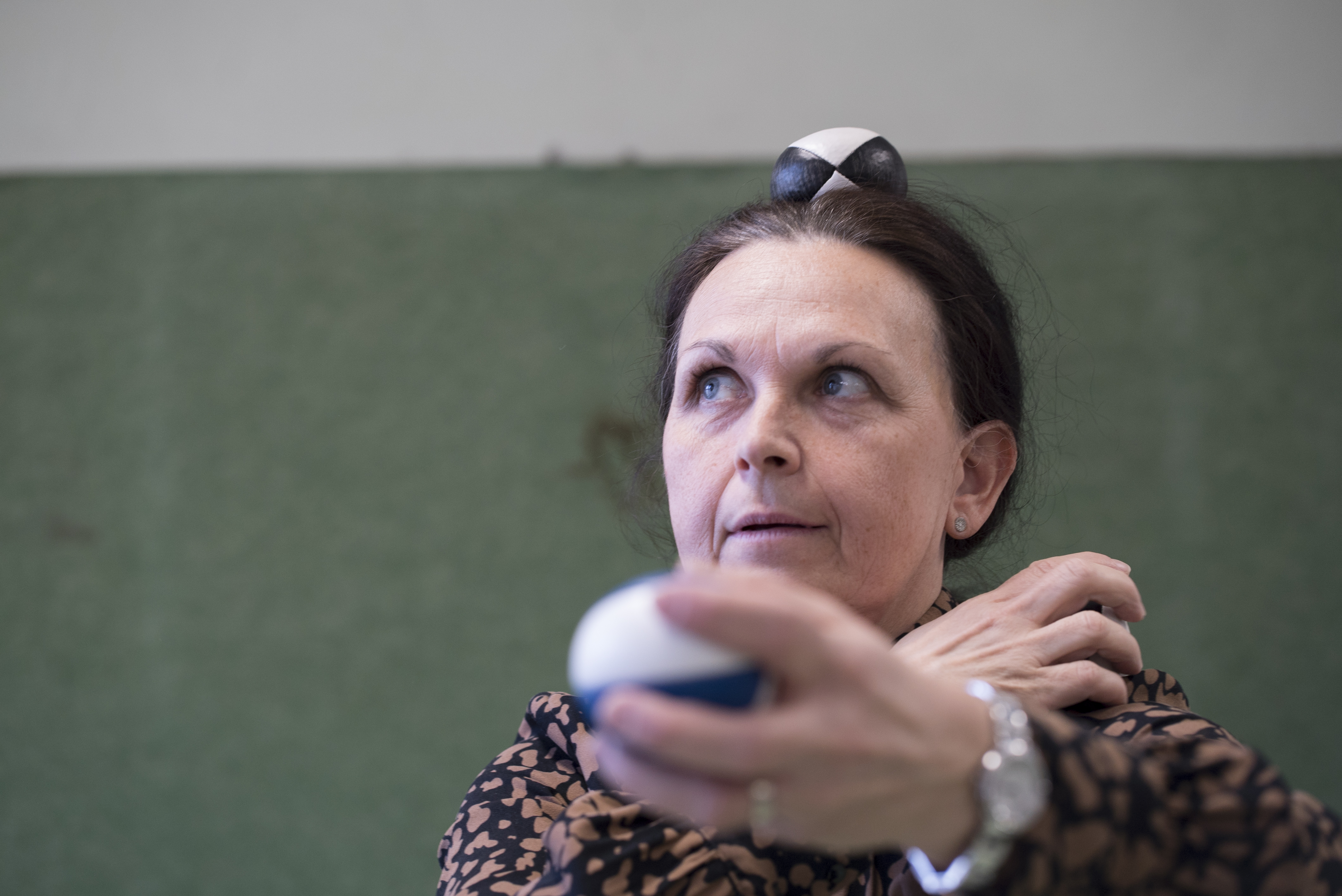
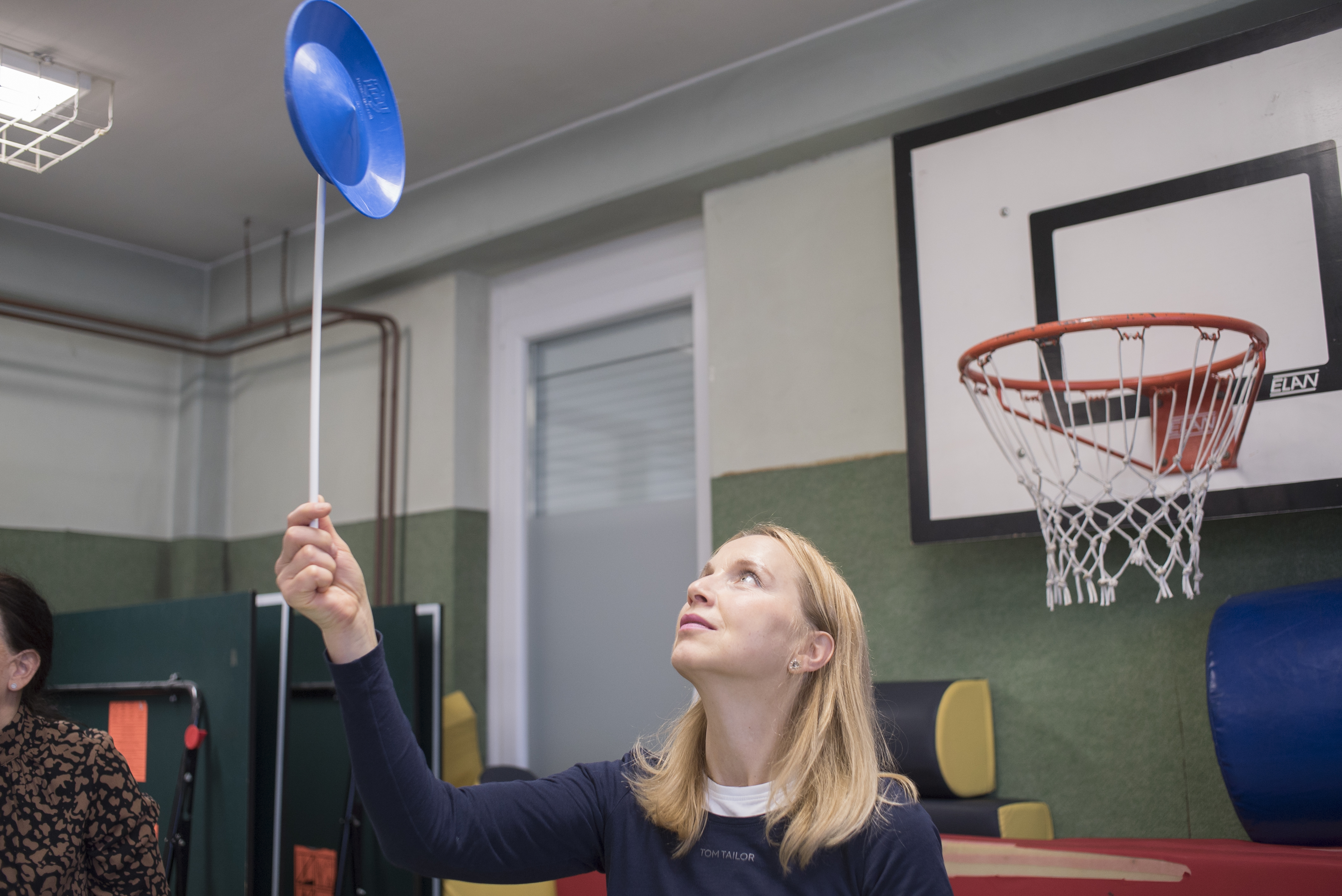
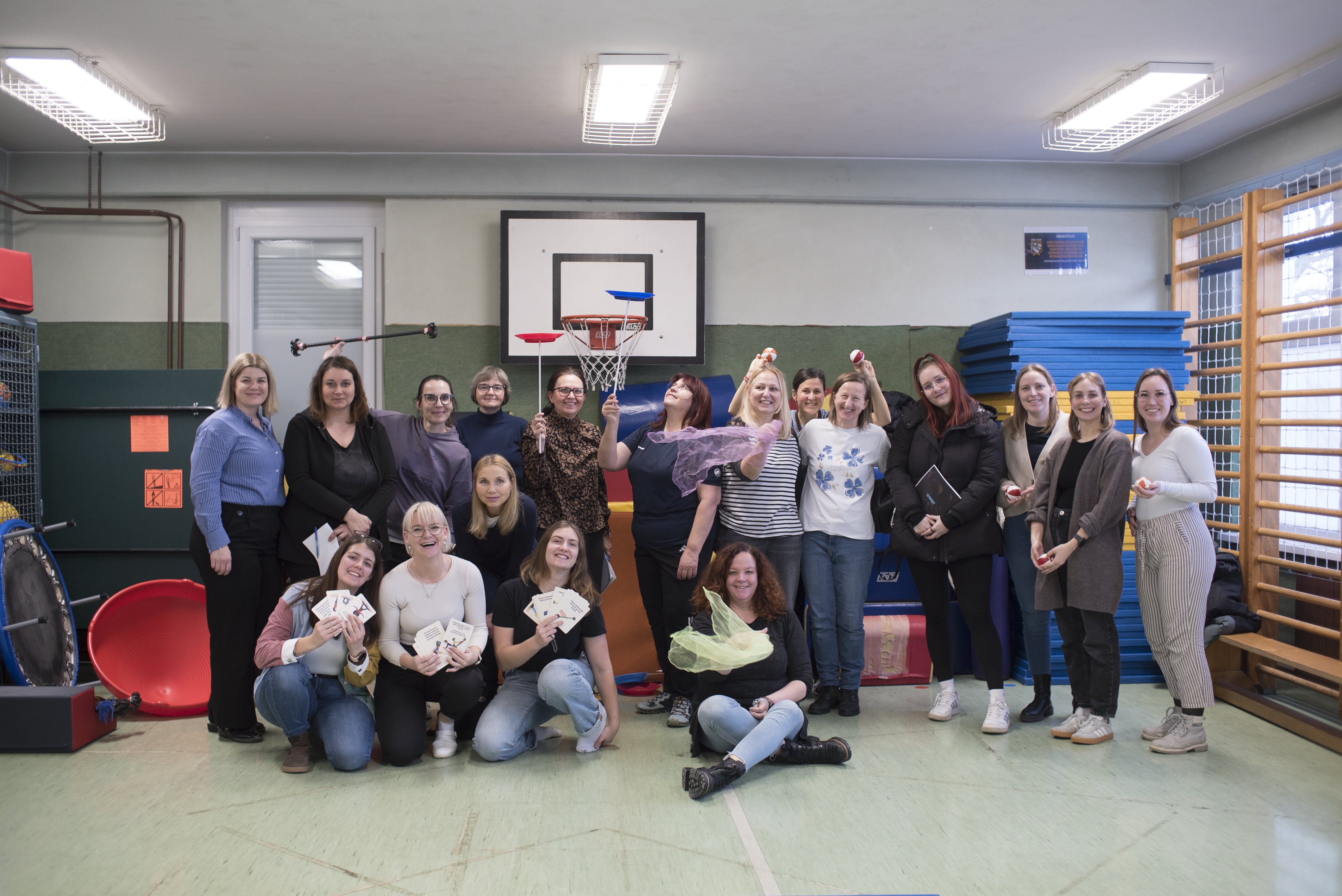
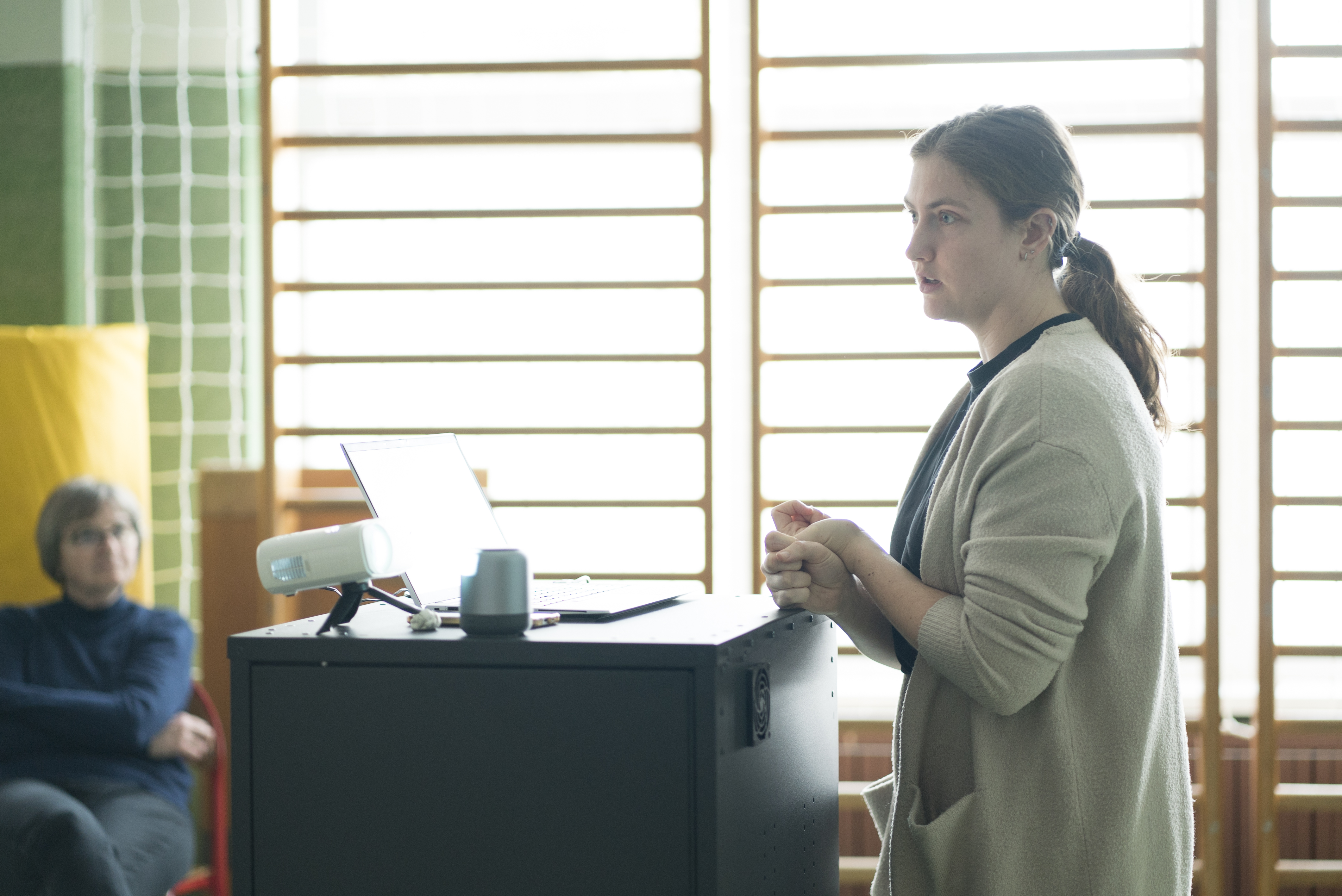
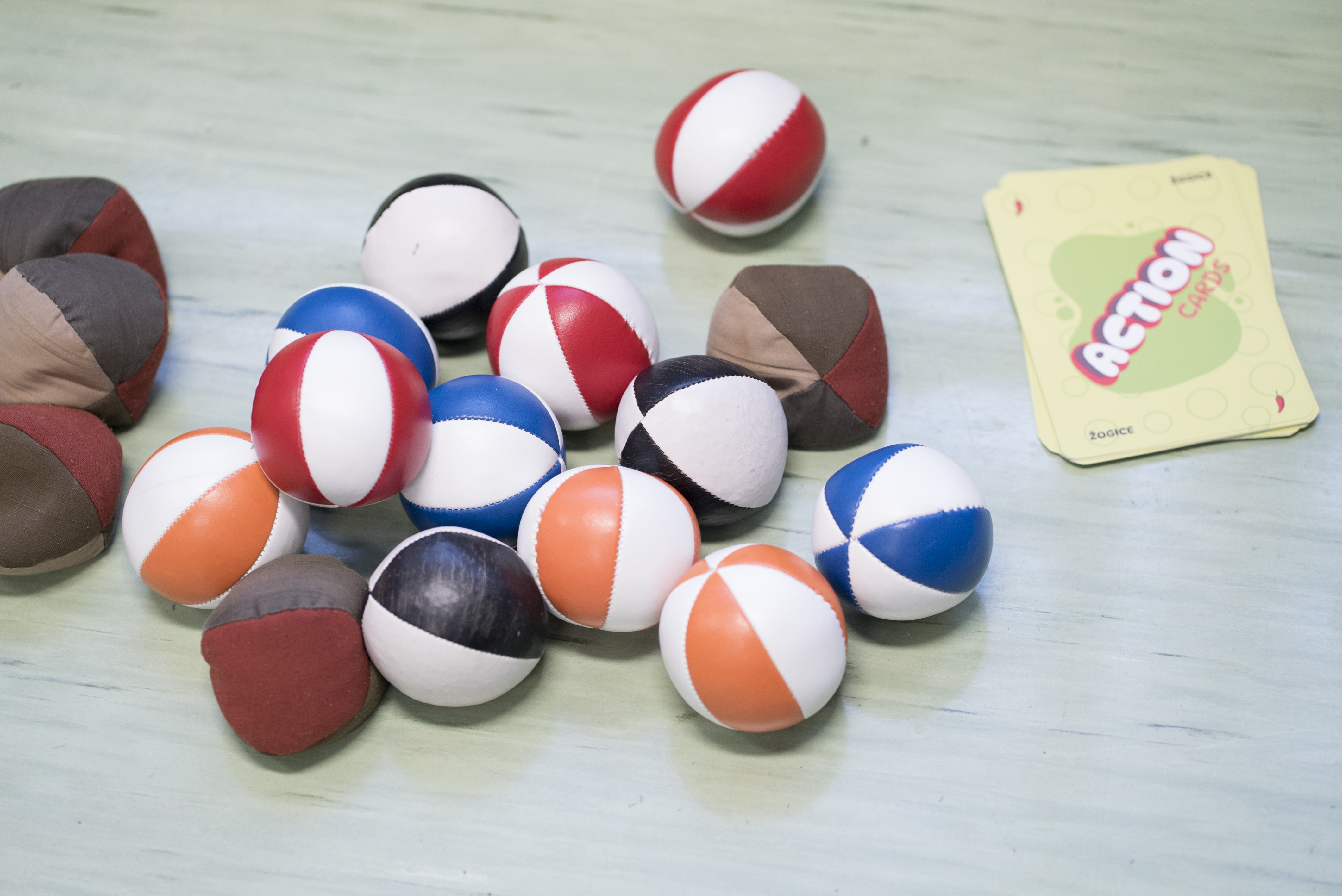
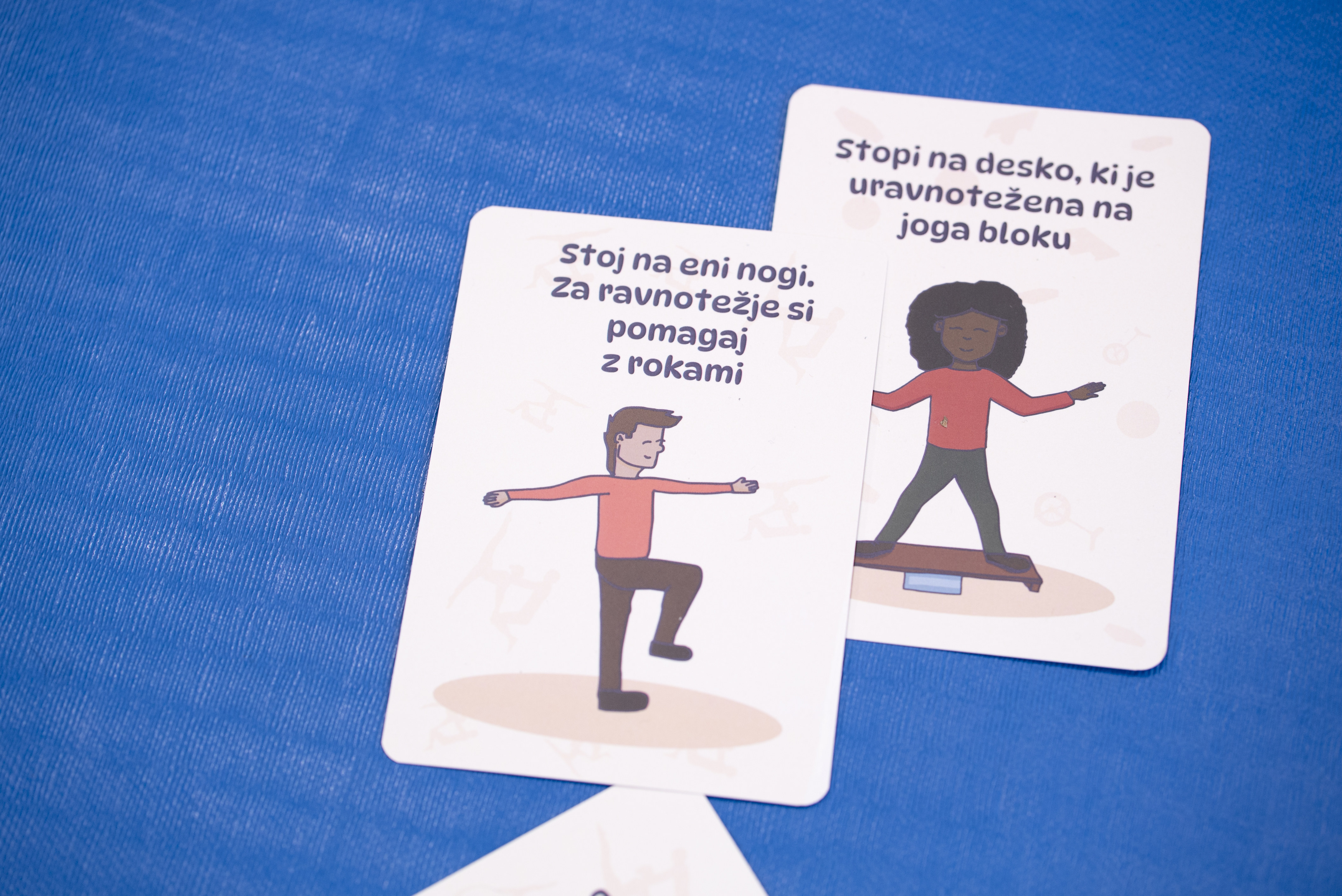
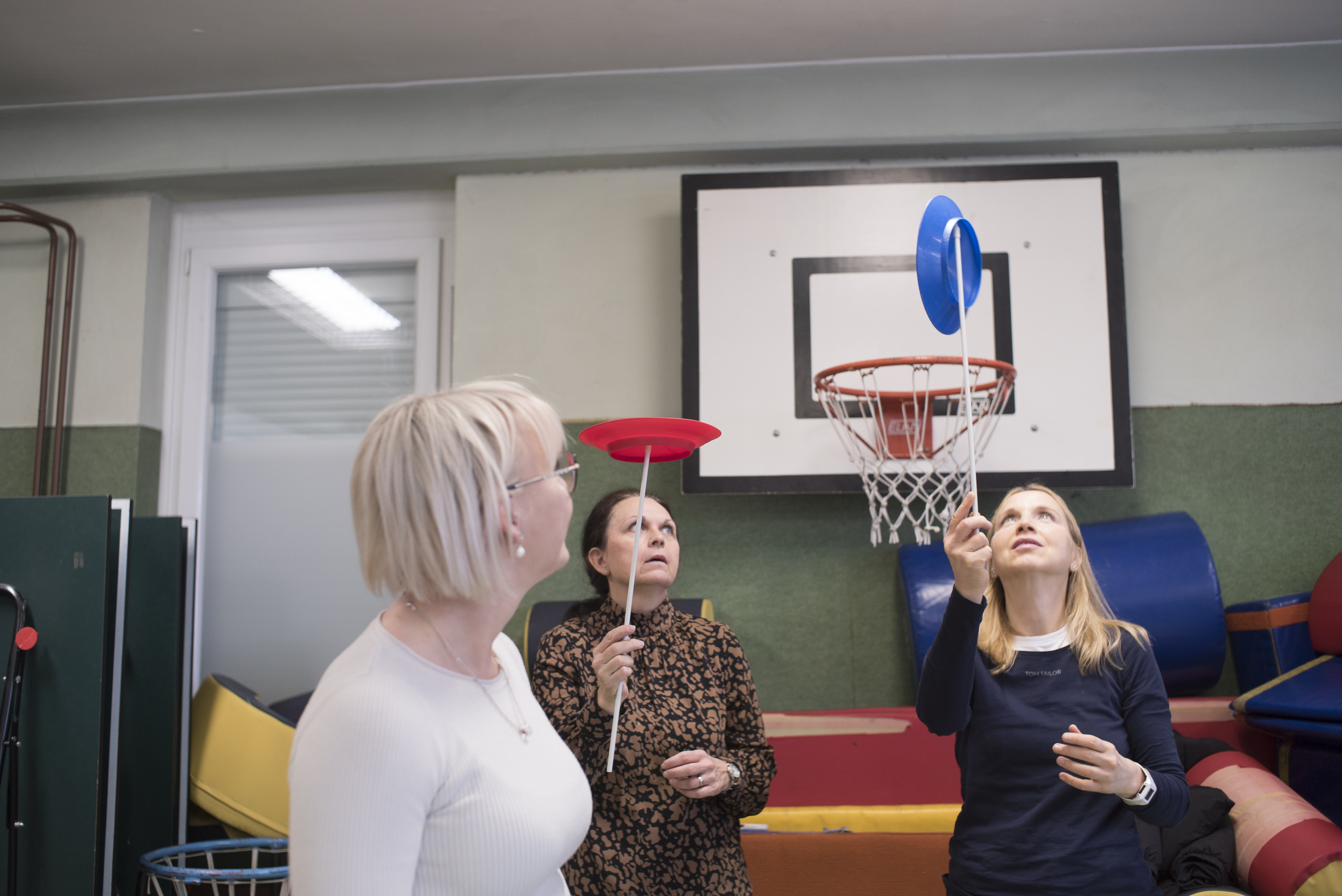
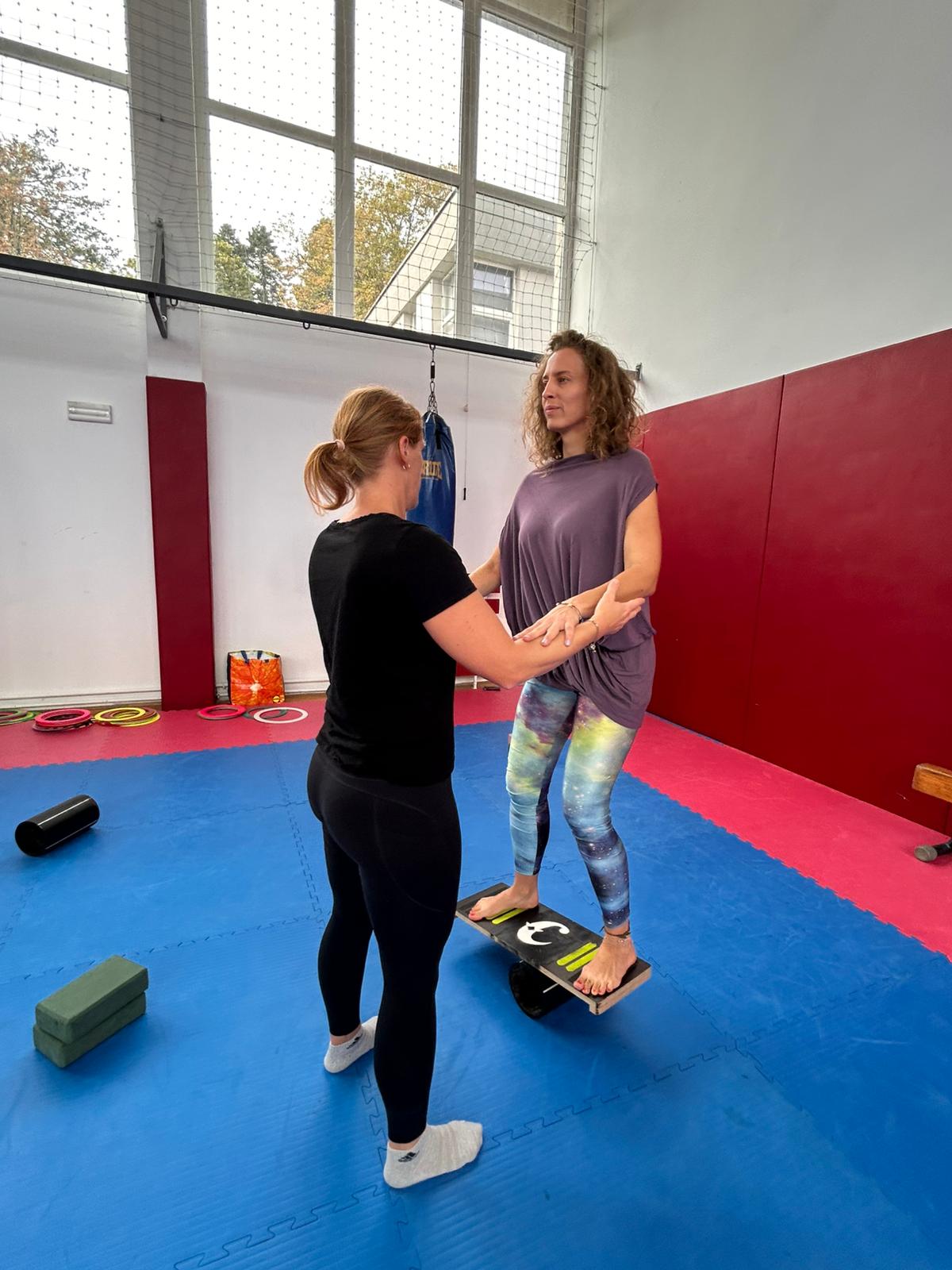
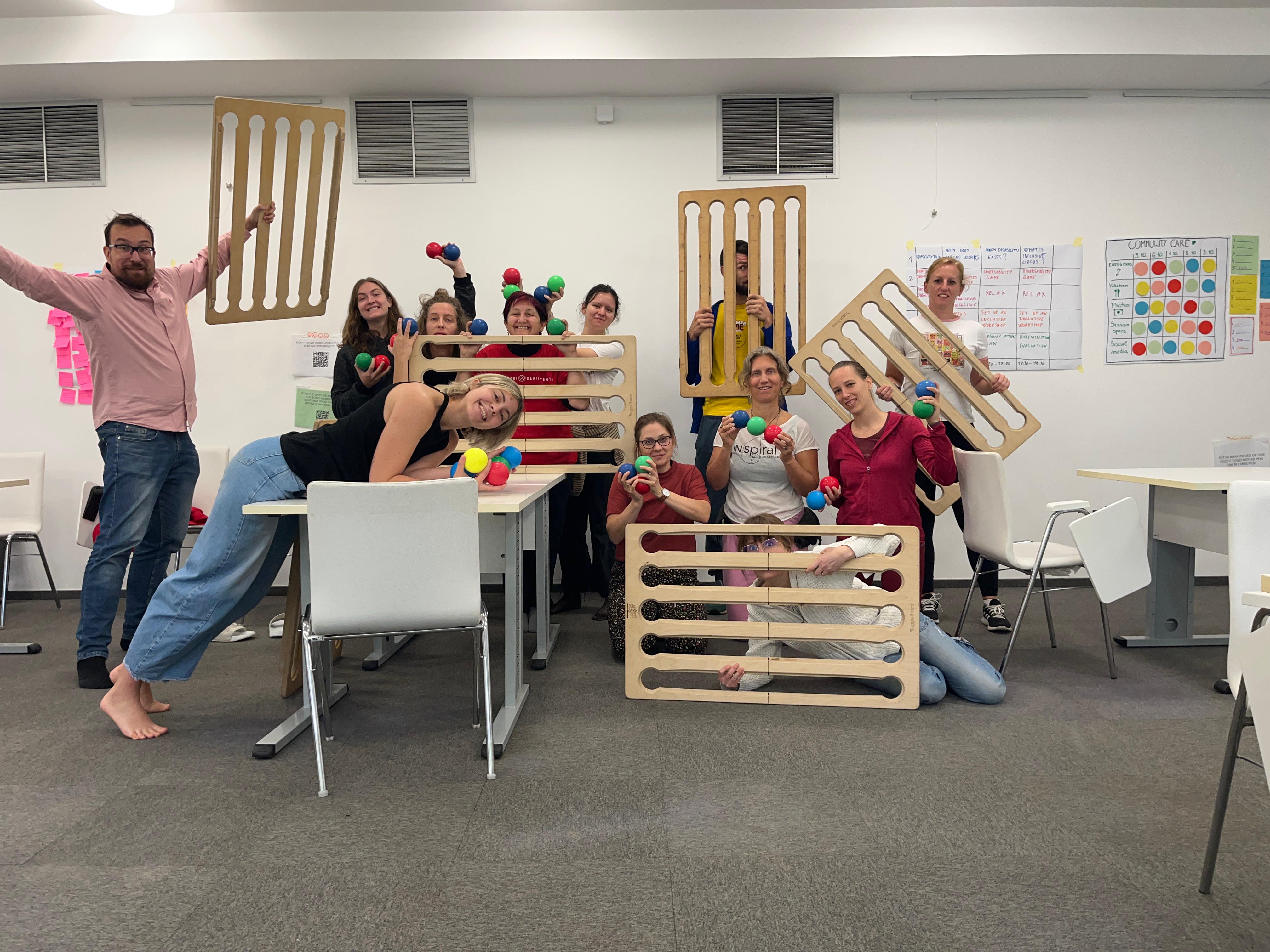
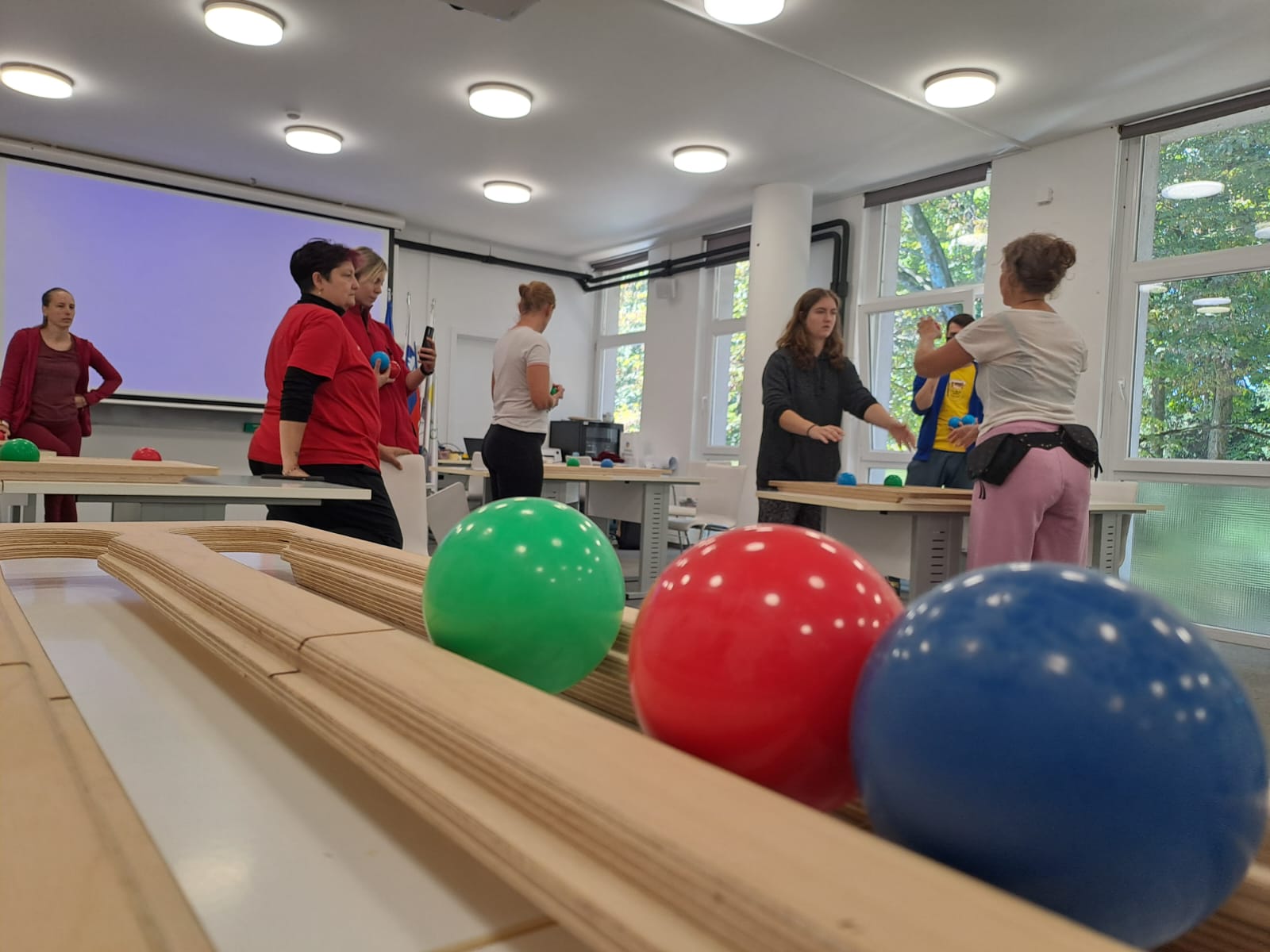
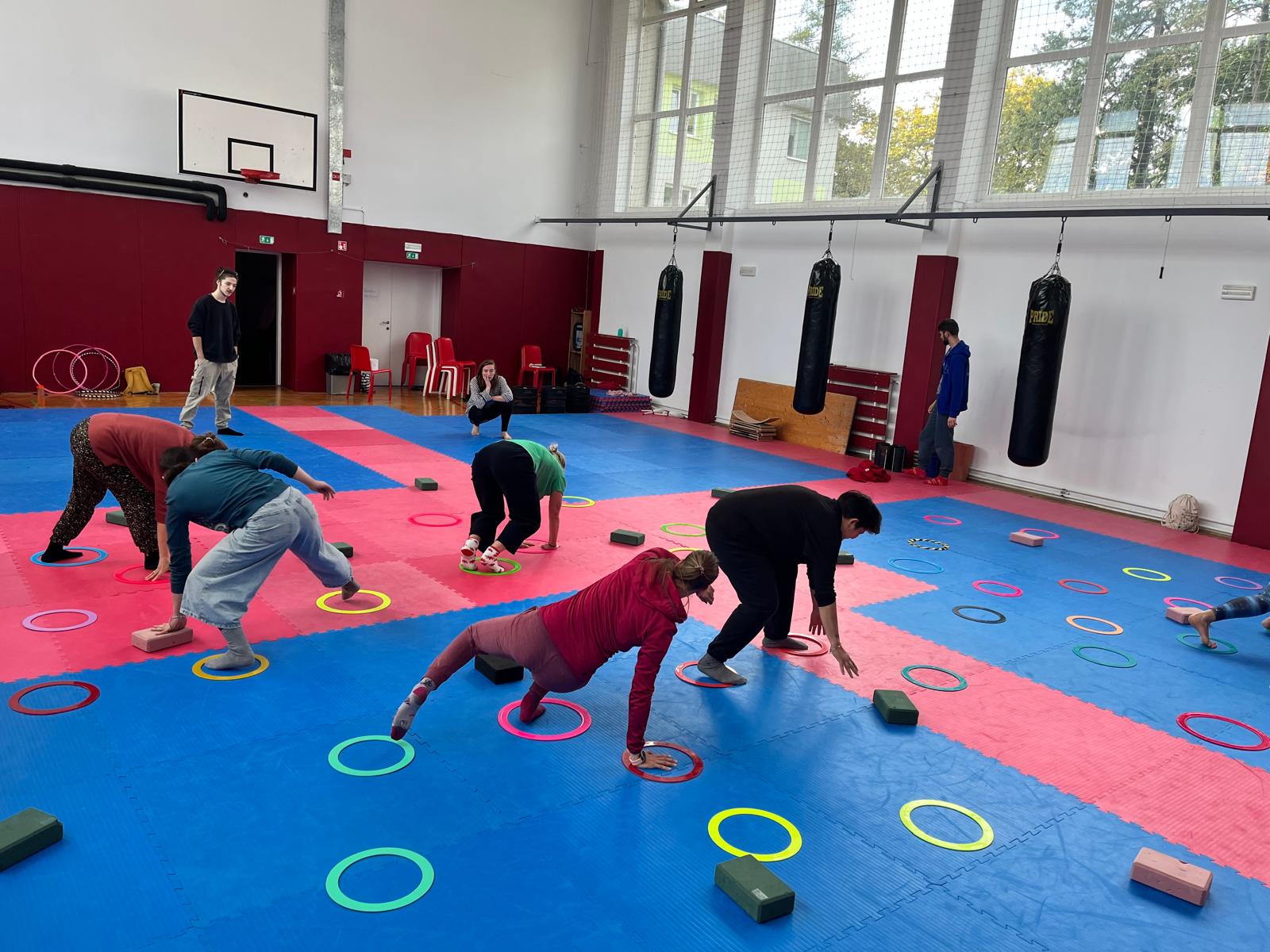
 Spoznali smo različne oblike prilagojenega žongliranja, akrobalance, funkcionalnega žongliranja in raziskovali ravnotežje. Razmišljali smo o tem, na katere stvari je treba biti pozoren pri oblikovanju cirkuške delavnice, ter preizkusili cirkuško igro, ki smo jo razvili v sklopu projekta.
 . Hvaležni smo za teden, poln novih znanj, izkušenj in navdiha.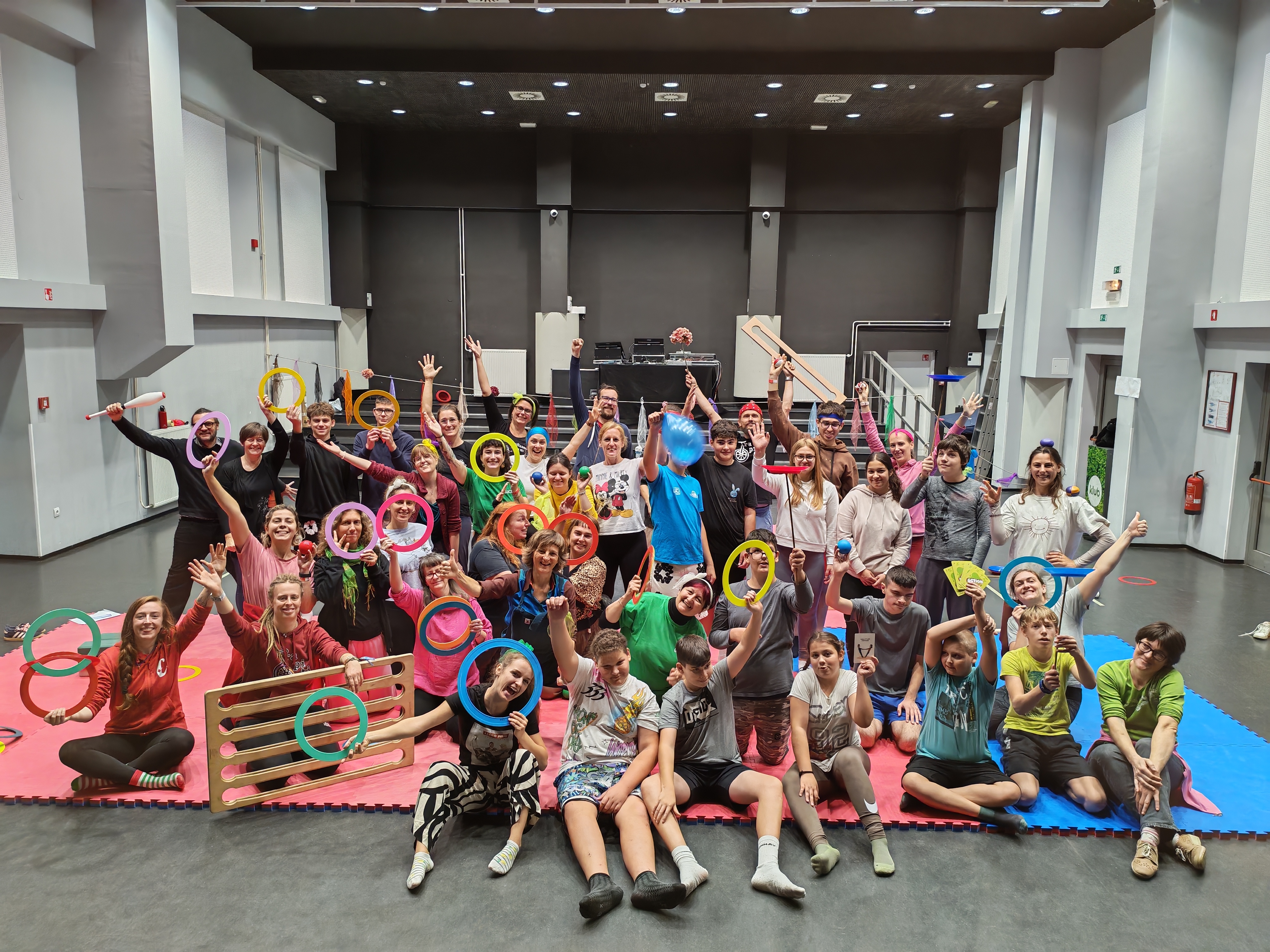

 CIRKUS LA BULLE